Can Bitter Melon Really Help With Blood Sugar?
Bitter melon — known as karela in India — has been used in traditional medicine for centuries, particularly for managing blood sugar. But does modern science support these claims? The answer is nuanced, and it is important to understand both the potential benefits and the real risks.
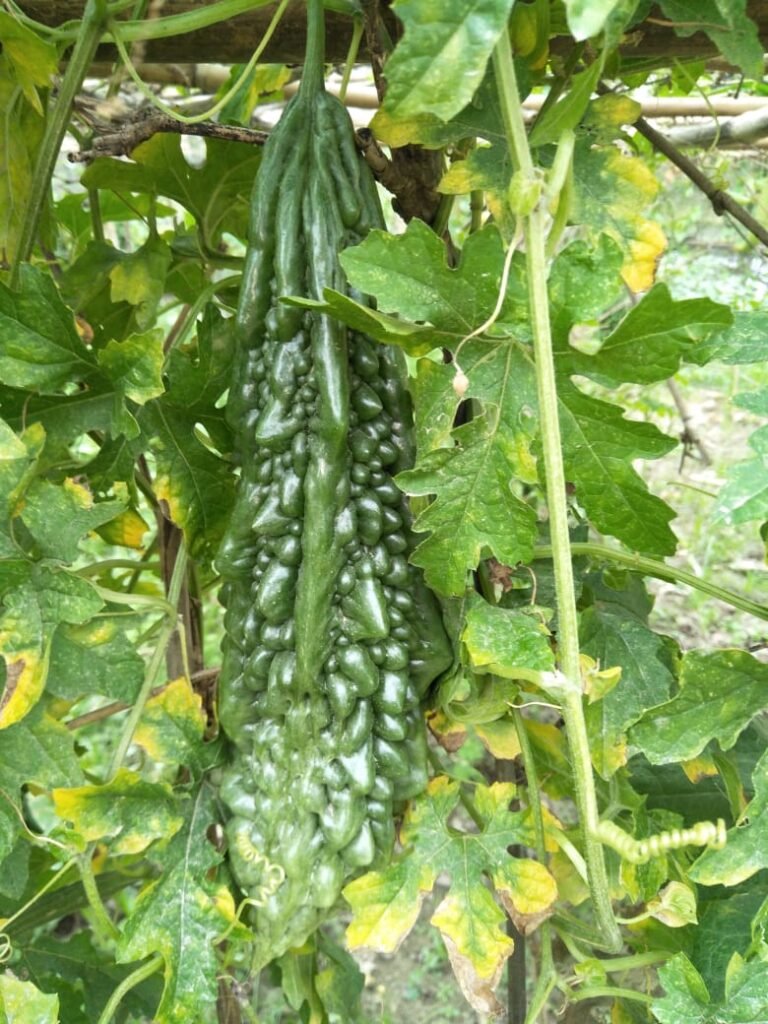
Bitter melon (Momordica charantia) is a climbing vine that produces a distinctive, warty fruit with a sharp, bitter taste. It is a staple in Indian, Chinese, and Southeast Asian cuisines, and has been a cornerstone of Ayurvedic medicine for treating diabetes and other metabolic conditions.
Research has shown that bitter melon contains bioactive compounds — including charantin, polypeptide-p, and cucurbitane-type triterpenoids — that may have blood sugar-lowering effects[reference:0]. Several small clinical trials have reported modest improvements in fasting blood sugar and HbA1c in people with type 2 diabetes[reference:1].
However, the evidence is not yet strong enough to recommend bitter melon as a standalone treatment for diabetes. A 2003 review of efficacy and safety concluded that “data are not sufficient to recommend its use in the absence of careful supervision and monitoring”[reference:2]. More recent research, including a 12-week randomized controlled trial in prediabetic participants, found significant reductions in fasting plasma glucose, fasting insulin, and insulin resistance — with no reported safety risks[reference:3].
The bottom line: Bitter melon may have a supportive role in blood sugar management, but it is not a substitute for medical treatment. If you are taking diabetes medication, you must consult your doctor before adding bitter melon to your routine.
What Are the Main Health Benefits of Bitter Melon?
1. May Help Support Healthy Blood Sugar Levels
This is the most researched and well-known benefit of bitter melon. Compounds in the fruit appear to have structural similarities to animal insulin, and may work through both pancreatic and extra-pancreatic mechanisms to support glucose metabolism[reference:4].
What the research shows: A 12-week randomized controlled trial published in the Journal of Ethnopharmacology (2025) found that bitter gourd supplementation in prediabetic subjects significantly reduced fasting plasma glucose (p = 0.014), fasting insulin (p = 0.007), and HOMA-IR (p = 0.003)[reference:5]. The study concluded that supplementation can have positive effects on fasting plasma glucose and insulin when provided over an extended period of at least 12 weeks[reference:6].
Important context: These results are promising but modest. Bitter melon should be viewed as a supportive dietary addition, not a treatment.
2. Rich in Essential Nutrients
Bitter melon is highly nutritious and low in calories. According to the USDA, 100 grams of raw bitter melon (without skin) provides approximately:
| Nutrient | Amount | % Daily Value |
|---|---|---|
| Calories | 17 kcal | — |
| Carbohydrates | 3.7 g | 1% |
| Dietary Fibre | 2.8 g | 10% |
| Vitamin C | 84 mg | 93% |
| Vitamin A | 471 IU | 9% |
| Folate | 72 mcg | 18% |
| Potassium | 296 mg | 6% |
| Zinc | 0.8 mg | 7% |
| Iron | 0.43 mg | 2% |
Source: USDA FoodData Central (Bitter melon, raw)
It is particularly rich in vitamin C — one 100g serving provides more than 90% of the daily requirement. It also contains antioxidants including catechin, gallic acid, epicatechin, and chlorogenic acid.
3. May Support Digestive Health
Bitter melon has traditionally been used as a digestive aid. It contains dietary fibre (2.8 g per 100g), which supports regular bowel movements and gut health. In traditional medicine, it has been used as a laxative and carminative[reference:7].
However, eating large amounts of bitter melon may cause digestive upset, including diarrhea and abdominal pain. Moderation is key.
4. Contains Compounds With Anti-Inflammatory Properties
Bitter melon is rich in polyphenols and other bioactive compounds that have demonstrated anti-inflammatory effects in laboratory studies. A review published in Chinese Journal of Natural Medicines described bitter melon as having “a panacea for inflammation and cancer” potential, based on in vitro and animal studies[reference:8].
Important caveat: These findings are from laboratory and animal studies. They do not prove that eating bitter melon will treat or prevent any disease in humans. More research is needed.
5. May Support Weight Management
Bitter melon is very low in calories (17 kcal per 100g) and provides dietary fibre, which can help promote satiety. It is a nutrient-dense food that can be included in a balanced weight-management diet.
However, there is no strong clinical evidence that bitter melon specifically causes weight loss. Its role in weight management is as a low-calorie, high-fibre vegetable — not as a weight-loss remedy.
What Are the Risks and Side Effects of Bitter Melon?
Bitter melon is generally safe when consumed as a food in normal amounts. However, concentrated supplements and large doses can cause problems.
Critical Safety Warnings
| Risk | Details |
|---|---|
| Hypoglycemia (Low Blood Sugar) | Bitter melon has blood sugar-lowering effects. When combined with diabetes medications (insulin, sulfonylureas, metformin), it can cause dangerously low blood sugar. Cases of hypoglycemic coma and convulsions have been reported in children[reference:9]. |
| Drug Interactions | Bitter melon may increase the effects of diabetes medications, including insulin, acarbose, and sulfonylureas. Close monitoring is required if combining[reference:10]. |
| Pregnancy | Bitter melon is considered possibly unsafe during pregnancy. Animal studies show that some constituents possess abortifacient properties and reduce fertility rates[reference:11]. Pregnant women should avoid bitter melon supplements. |
| Breastfeeding | Insufficient reliable information is available. Avoid using bitter melon supplements while breastfeeding[reference:12]. |
| Digestive Upset | Large amounts may cause diarrhea, abdominal pain, and nausea. Eating bitter melon in moderation is recommended. |
| Favism-like Syndrome | A favism-like reaction has been reported in some individuals, particularly those with G6PD deficiency. If you have this condition, avoid bitter melon[reference:13]. |
Who Should Avoid Bitter Melon?
- Pregnant women — avoid supplements and large amounts
- Breastfeeding women — insufficient safety data
- People on diabetes medication — only under medical supervision
- People with G6PD deficiency — risk of favism-like reaction
- Anyone with hypoglycemia — bitter melon may worsen low blood sugar[reference:14]
How to Include Bitter Melon in Your Diet (Indian Context)
Bitter melon is a versatile vegetable that can be prepared in many ways to reduce its bitterness:
- Karela Sabzi: Sliced and stir-fried with onions, tomatoes, and spices. Salting the slices and letting them rest for 30 minutes before cooking reduces bitterness.
- Stuffed Karela: Scooped out and filled with a spiced mixture of onions, gram flour, and spices.
- Karela Juice: Fresh juice is traditionally consumed on an empty stomach. However, the bitter taste is intense — start with a small amount (1-2 tablespoons) and mix with water or a small amount of honey.
- Karela Chips: Thinly sliced and baked or fried. A popular snack, though frying reduces nutritional value.
- Karela with Dal: Added to lentil preparations for a nutritious, fibre-rich meal.
Note: Bitter melon supplements (capsules, extracts) are more concentrated than the vegetable. If you choose to use supplements, consult a doctor first — especially if you have diabetes.
When Should You See a Doctor?
Consult a doctor before using bitter melon (especially supplements) if you:
- Have diabetes and are taking insulin or other blood sugar-lowering medications
- Are pregnant or breastfeeding
- Have G6PD deficiency or a history of favism
- Have kidney or liver disease
- Are scheduled for surgery (bitter melon may affect blood sugar during surgery)
- Experience symptoms of hypoglycemia — dizziness, shakiness, confusion, sweating, or rapid heartbeat
Seek immediate medical attention if you experience: severe hypoglycemia symptoms, loss of consciousness, or convulsions after consuming bitter melon.
Frequently Asked Questions About Bitter Melon (Karela)
Q: Does bitter melon really lower blood sugar?
A: Research suggests it may have a modest effect. A 2025 clinical trial found significant reductions in fasting glucose and insulin resistance in prediabetic participants over 12 weeks. However, the evidence is not strong enough to recommend it as a standalone treatment. It should be used alongside — not instead of — prescribed diabetes care.
Q: Can I drink karela juice every day?
A: If you do not have diabetes and are not pregnant, small amounts (1-2 tablespoons) of karela juice daily are generally safe. However, if you are on diabetes medication, consult your doctor — the combination can cause hypoglycemia.
Q: Is bitter melon safe during pregnancy?
A: Bitter melon is considered possibly unsafe during pregnancy. Animal studies show abortifacient properties. Pregnant women should avoid bitter melon supplements and limit dietary intake to small amounts.
Q: What are the side effects of bitter melon?
A: Common side effects include diarrhea, abdominal pain, and nausea. Serious risks include hypoglycemia (especially when combined with diabetes medication), and a favism-like reaction in people with G6PD deficiency.
Q: Can bitter melon replace my diabetes medication?
A: No. Bitter melon is not a substitute for prescribed diabetes treatment. Never stop or change your medication without consulting your doctor.
Q: How much bitter melon should I eat daily?
A: As a vegetable, 1-2 servings per day is reasonable for most people. For concentrated supplements, follow package instructions or your doctor’s guidance. Doses in clinical studies have ranged from 2,000 mg to 3.6 g per day[reference:15].