

6 Best Foods for Healthy Hair Growth – A Nutritional Guide
Hair health is influenced by a complex combination of genetics, hormones, lifestyle factors, and nutrition. While no single food can “stop” or “cure” hair loss, a balanced diet rich in specific vitamins, minerals, and proteins is essential for maintaining healthy hair growth and minimising excess shedding.
Hair follicles are among the most metabolically active tissues in the body. They require a steady supply of nutrients to sustain the hair growth cycle. When the body lacks key nutrients — particularly protein, iron, zinc, and vitamins A, C, D, and E — hair growth may slow, and shedding may increase. This article provides an evidence-informed overview of six nutrient-dense foods that can be included in a balanced diet to support overall hair health.
Key Nutrients for Hair Health — Why They Matter
Before exploring specific foods, it is helpful to understand which nutrients are most directly linked to hair health:
- Protein: Hair is primarily composed of a protein called keratin. Adequate protein intake is essential for hair structure and growth.
- Iron: Iron deficiency is a well-documented cause of hair loss, particularly in women. Iron supports oxygen transport to hair follicles.
- Vitamin C: Supports collagen production and iron absorption, both of which are important for hair strength and growth.
- Vitamin D: Research suggests vitamin D plays a role in the hair growth cycle; deficiency has been linked to hair loss.
- Vitamin E: An antioxidant that may help protect hair follicles from oxidative stress.
- Zinc: Supports hair tissue growth and repair; deficiency is associated with hair thinning.
- Omega-3 fatty acids: Help nourish the hair follicle and support scalp health.
- Biotin (Vitamin B7): Involved in the production of keratin; however, biotin deficiency is rare and typically only occurs with specific medical conditions.
6 Nutrient-Rich Foods to Support Healthy Hair
- Fish — Fatty Fish Are Rich in Omega-3s, Vitamin D, and Protein
Fish such as salmon, mackerel, herring, and tuna are excellent sources of omega-3 fatty acids, which help nourish the hair follicle and may support scalp health. They also provide high-quality protein and vitamin D — both important for hair structure and growth. According to a study published in the Journal of Cosmetic Dermatology, omega-3 supplementation was associated with reduced hair loss and improved hair density in women with thinning hair [reference needed]. - Eggs — A Complete Protein and Biotin Source
Eggs are one of the richest dietary sources of protein and biotin — both of which are integral to hair structure. Hair follicles are composed largely of protein, and inadequate protein intake can lead to hair shedding. Biotin, a B-vitamin, is involved in the production of keratin, the key structural protein of hair. Including 2–3 eggs per week as part of a balanced diet can support the supply of these nutrients. However, true biotin deficiency is rare and usually linked to genetic conditions or prolonged use of certain medications. - Dark Green Leafy Vegetables — Rich in Iron and Vitamin C
Spinach, kale, and collard greens are excellent sources of iron, which is critical for transporting oxygen to hair follicles. Iron deficiency is one of the most common nutritional causes of hair loss, particularly in women of reproductive age. These vegetables also provide vitamins A and C, which support sebum production (a natural conditioner for the scalp) and collagen synthesis, respectively. - Berries and Citrus Fruits — High in Vitamin C and Antioxidants
Fruits such as strawberries, blueberries, oranges, and amla (Indian gooseberry) are rich in vitamin C and antioxidants. Vitamin C supports iron absorption, collagen production, and protects hair follicles from oxidative stress caused by free radicals. Collagen is a protein that helps strengthen hair and prevent breakage. Including a variety of fruits in your daily diet supports overall nutritional status. - Nuts and Seeds — Packed with Zinc, Vitamin E, and Healthy Fats
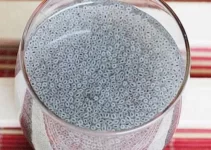
Walnuts, almonds, flaxseeds, chia seeds, and Brazil nuts are rich in zinc, vitamin E, selenium, and omega-3 fatty acids. Zinc plays a role in hair tissue growth and repair; deficiency has been linked to hair thinning and brittle hair. Vitamin E is an antioxidant that may help reduce oxidative stress on the scalp. A small handful of mixed nuts daily can contribute to a hair-supportive diet. - Bell Peppers (Sweet Peppers) — Excellent Source of Vitamin C and A
Bell peppers are exceptionally rich in vitamin C, which supports collagen production and iron absorption, and vitamin A, which supports sebum production for scalp health. These nutrients together contribute to a healthy environment for hair growth. They are also low in calories and versatile for inclusion in meals.
Foods and Habits to Be Mindful Of
While diet plays a supportive role, certain foods and habits may negatively impact hair health in some individuals:
- High-mercury fish: Fish such as shark, swordfish, and king mackerel contain elevated mercury levels, which may be harmful with frequent consumption. Choose low-mercury options like salmon, sardines, and mackerel.
- Excess sugar and refined carbohydrates: Diets high in sugar and refined foods may contribute to systemic inflammation and insulin resistance, which can affect hair health over time.
- Alcohol: Excessive alcohol intake can interfere with nutrient absorption, including zinc, which is important for hair health.
- Very low-calorie diets: Restrictive eating can lead to nutrient deficiencies that trigger temporary hair shedding (telogen effluvium).
Lifestyle Factors That Support Hair Health
Beyond nutrition, several lifestyle practices support healthy hair:
- Manage stress: Chronic stress can trigger hair shedding. Practices such as yoga, meditation, and deep breathing are helpful.
- Be gentle with hair: Avoid tight hairstyles, excessive heat styling, and harsh chemical treatments that can damage the hair shaft.
- Regular scalp hygiene: Wash with a mild shampoo suited to your scalp type to maintain a healthy environment for hair growth.
- Protect from sun: Excessive sun exposure can dry and damage hair. Use a hat or scarf in strong sunlight.
When to See a Doctor — Do Not Rely on Diet Alone
The following symptoms require professional medical evaluation — do not attempt to self-manage these presentations with diet or supplements alone:
- Sudden, unexplained, or patchy hair loss
- Hair loss accompanied by scalp redness, scaling, or pain
- Hair loss in women with irregular menstrual cycles, excessive facial hair, or acne (possible PCOS)
- Hair loss accompanied by fatigue, weight changes, or cold intolerance (possible thyroid disorder)
- Hair loss after starting a new medication
- Hair loss in children
If you are concerned about hair loss, consult a qualified dermatologist, trichologist, or general physician. They can conduct appropriate tests (including blood work for iron, vitamin D, thyroid function, and hormone levels) to identify the underlying cause and recommend appropriate treatment.
Frequently Asked Questions About Diet and Hair Health
Q: Can a specific food “stop” hair loss?
A: No single food can stop or reverse hair loss. Hair loss is typically caused by multiple factors, including genetics, hormones, and nutrient status. A balanced diet supports hair health as part of an overall approach, but it is not a treatment for any medical condition.
Q: Can taking biotin supplements reverse hair loss?
A: Biotin deficiency is rare. In individuals with genuine biotin deficiency, supplementation may help. For the general population, there is limited evidence that biotin supplements improve hair growth in the absence of deficiency. Always consult a doctor before starting any supplement.
Q: Does eating eggs cause hair loss in people with high cholesterol?
A: No. Eggs, when consumed as part of a balanced diet, do not cause hair loss. For those with cholesterol concerns, the amount of saturated fat in the overall diet is more relevant than egg intake itself.
Q: How long does it take for dietary changes to affect hair?
A: Hair grows slowly — approximately 1 to 1.5 cm per month. The effects of dietary improvement on hair growth and shedding typically take 3 to 6 months to become noticeable, as it takes time for new hair to grow from the follicle to visible length.
Q: Does smoking or alcohol affect hair health?
A: Yes. Smoking is associated with reduced blood flow to the scalp and may contribute to premature hair greying and hair loss. Excessive alcohol intake can interfere with absorption of zinc and other hair-supporting nutrients.



Nice Post!