Medical Disclaimer: This article is for general informational and educational purposes only and is not a substitute for professional medical advice. Yoga poses should be learned under the guidance of a qualified instructor. Sarvangasana is an inverted pose and puts pressure on the neck and spine. Do not practice this pose if you have high blood pressure, glaucoma, cervical spondylosis, or a history of neck injury. Consult a qualified healthcare provider if you are experiencing severe health issues.
Meaning of Shoulder Stand Yoga Pose (Sarvangasana)
The Shoulder Stand Yoga Pose is one of the few inverted yogasanas, which has beneficial effects on the entire body. In Sanskrit, Sarva means “all” and Anga means “limbs” — hence Sarvangasana means the pose for all parts of the body.
Practising Sarvangasana helps to release stagnant blood from the legs and abdominal regions, supporting the health of these parts. It is traditionally believed to be the best yoga pose for the massage and well-being of the thyroid gland. Because it improves respiration, massages the abdominal organs, and supports reproductive health, it is often called the MOTHER of all yogasanas.
In my years of teaching yoga, I have found that Sarvangasana is highly valued for its holistic approach. While studying the traditional Hatha Yoga texts, I observed that inverted poses like this are central to rejuvenation and hormonal balance.
Sarvangasana Vs Sirsasana (Shoulder Stand vs Headstand)
People love to perform Sirsasana (Headstand) because of its excellent benefits. However, often they practice it for too long, or their body is not fully prepared. Under these circumstances, Sirsasana can do more harm than good.
It is for this reason that yoga therapists often recommend Sarvangasana as a substitute. It gives essentially the same inverted benefits and is far easier to perform. Furthermore, incorrect practice of Sarvangasana is less likely to cause harm than incorrect practice of Sirsasana.
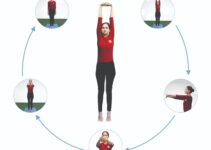
The image below demonstrates the Shoulder Stand Yoga Pose (Sarvangasana).

How to Do Shoulder Stand (Sarvangasana) — Step-by-Step
Because this is an advanced inverted pose, always use a folded blanket under your shoulders for neck support.
- Lie flat on your back in Savasana, with your arms by your sides.
- Bend your knees and bring them toward your chest. Press your arms down to lift your hips off the floor.
- Support your lower back with your hands, keeping your elbows close to your body.
- Lift your legs straight up toward the ceiling, forming a straight line from shoulders to toes.
- Keep the weight on your shoulders (not your neck) and tuck your chin slightly into your chest.
- Hold for 30 seconds to 3 minutes, breathing deeply. To release, slowly lower your legs and roll down, vertebra by vertebra.
15 Benefits of Shoulder Stand (Sarvangasana)
Here are the top yoga benefits of Shoulder Stand:
- Excellent Yoga for the Brain: It improves blood circulation to the brain. A short practice of any inverted asana injects the brain with an abundant supply of blood, enhancing cognitive function.
- Boon for the Pituitary Gland: It provides an extra supply of blood to the brain and pituitary gland, thereby supporting the endocrine glands. This leads to greater harmony in the hormonal system.
- May Help Manage Varicose Veins: The asana helps to remove deoxygenated blood from the lower limbs. Gravity normally impedes blood flow back to the heart, causing stagnation. The inverted pose reverses this, supporting venous return.
- Glowing Skin: The practice helps to remove waste products and toxins, especially from the facial region. It routes an oxygen-rich flow of blood to the face, supporting overall skin health.
- Supports Hair Health: Hair fall and thinning can be managed by practising this yogasana as it ensures smooth blood flow into the head region, nourishing the hair follicles. It strengthens hair roots and manages hair loss.
- Supports Weight Management: The yoga pose has a significant impact on the thyroid gland and shows its effect on the metabolism process of the body, helping to regulate body weight.
- Good for Vision: Oxygenated nourishment is required for eye health. The proper flow of blood supports eye muscles and vision. (Note: Always practice under supervision if you have eye pressure issues like glaucoma).
- Relieves Headaches: The practising of the yoga pose helps to relax the muscles and blood vessels in the head and scalp area, thereby preventing the occurrence of tension headaches.
- Supports Metabolic Health (Diabetes): It shows a significant influence in stimulating the thyroid and pituitary glands, which play a role in the body’s metabolic function and pancreatic health.
- Sexual Health Support: The pose helps drain blood from the pelvic organs and supports functional efficiency, which is traditionally believed to help manage menstrual ailments.
- Alleviates Piles: Piles are caused by the accumulation of blood in the anus region. Regular practice of Sarvangasana relieves the pressure on the blood vessels and helps alleviate piles.
- Memory Enhancement: The yoga pose is good for memory and other cognitive functions. It makes oxygenated blood reach the skull region, enhancing thinking power.
- Removes Lethargy: The shoulder stand ensures a proper blood supply to the pituitary and pineal glands. The overall growth, health, and vitality of the body depend upon these glands.
- Treats Anxiety: If you practise Sarvangasana regularly and focus on breathing, it may bring calmness to the body and mind. Thus, the pose is beneficial for those having stress and anxiety.
- Improves Digestion: The posture gently presses the chin against the chest (Jalandhara Bandha), which stimulates the digestive system and massages the abdominal organs.
Precautions and Contraindications
I always advise my readers to listen to their bodies. Avoid this pose if you have:
- High blood pressure (Hypertension)
- Glaucoma or detached retina
- Cervical spondylosis or neck injury
- Menstruation (during heavy flow days)
- Pregnancy
Frequently Asked Questions
Q: What are the main benefits of Shoulder Stand (Sarvangasana)?
A: The main benefits include improved blood circulation to the brain, stimulation of the thyroid gland for better metabolism, relief from stress, and support for hair and skin health.
Q: Does Sarvangasana really help with hair growth?
A: Yes, it is an inverted pose. By reversing the flow of gravity, it increases oxygenated blood flow to the scalp, which nourishes the hair follicles and helps manage hair fall.
Q: Can beginners do Shoulder Stand?
A: Beginners should learn Sarvangasana under the supervision of a certified yoga instructor. Using a wall for support and a folded blanket under the shoulders is highly recommended to protect the neck.
Related Reading
- Hair Loss Prevention through Ayurveda, Yoga & Homeopathy — Complete Overview
- 10 Benefits of Rabbit Pose (Sasangasana) for Hair and Skin
- Homeopathic Medicines for Hair Loss — Complete Selection Overview
- Kalonji (Black Seed) Oil: 25 Benefits, Uses, Research and Side Effects
- Curd for Hair Loss — 8 DIY Masks