Does Acupressure Actually Help With Weight Loss?
Acupressure is a traditional Chinese medicine (TCM) practice that involves applying pressure to specific points on the body — the same points used in acupuncture, but stimulated with fingers, thumbs, or small devices instead of needles. It is a non-invasive, cost-effective practice that has been used for centuries to support overall health and well-being.
In the context of weight management, acupressure is traditionally believed to support appetite control, improve digestion, reduce stress-related eating, and support metabolic function. While research on acupressure for weight loss is still developing, some studies suggest it may offer modest benefits when used as part of a comprehensive weight management plan.
According to a systematic review published in Frontiers in Medicine, acupressure group participants lost an average of 3.1 kg compared to 0.2 kg in the control group — a statistically significant difference[reference:5]. A separate study published in the Journal of Alternative and Complementary Medicine found that auricular acupressure using Sinapsis alba seeds resulted in significant decreases in weight and BMI in overweight college students[reference:6].
Important context: These studies are not definitive. More high-quality research is needed to establish the role of acupressure in weight management. Acupressure should be viewed as a supportive practice — not a standalone treatment for obesity.
Which Acupressure Points Help With Weight Loss?
Traditional Chinese medicine identifies specific points on the body and ear that are believed to influence appetite, digestion, metabolism, and stress-related eating. The following points are the most commonly cited for weight management in TCM practice.
Body Acupressure Points for Weight Management
| Point Name | Location | Traditional Use | How to Apply |
|---|---|---|---|
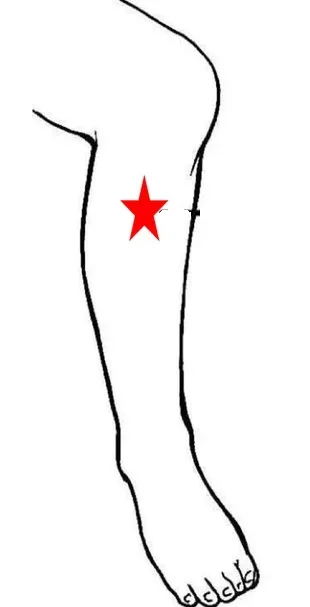
| Zusanli (ST36) Leg Three Mile | 3 inches below the kneecap, on the outer side of the shin bone | Digestive support, metabolism, overall vitality | Apply circular pressure for 2-3 minutes on each leg, daily |
| Sanyinjiao (SP6) Three Yin Intersection | 3 inches above the inner ankle bone, on the inner side of the lower leg | Digestion, hormonal balance, stress reduction | Gentle circular pressure for about 3 minutes on each leg ⚠️ Avoid during pregnancy |
| Zhongwan (CV12) Central Stomach | 4 inches above the navel, on the midline of the abdomen | Stomach and intestinal function, appetite regulation | Gentle circular pressure for about 2 minutes using two fingers |
| Tianshu (ST25) Celestial Pivot | 2 inches on either side of the navel | Digestion, constipation, abdominal bloating | Gentle circular pressure for 2 minutes on each side |
| Renzhong (GV26) Philtrum | Vertical groove between the nose and upper lip, one-third of the way down | Appetite and body weight regulation | Gentle but firm circular pressure for about 2 minutes |
| Xuehai (SP10) Sea of Blood | Inner thigh, approximately 2 inches above the kneecap | Blood circulation, metabolic function | Moderate circular pressure for 2-3 minutes on each leg |
| Inner Elbow Point | 1 inch below the crease of the inner elbow joint | Intestinal function, digestive health | Press gently with the thumb for 2-3 minutes daily |
| Thumb Point | On the bottom area of the thumb | Thyroid stimulation, metabolic function | Moderate pressure for 2-3 minutes daily |
Source: Acupoint locations referenced from Springer’s Table of Acupoints for Obesity Treatment[reference:7]
Auricular (Ear) Acupressure Points for Weight Loss
Ear acupressure — also known as auricular acupressure — is a specialized form of TCM that involves stimulating specific points on the external ear. Research suggests that auricular acupressure may influence appetite-regulating hormones and support weight reduction[reference:8]. The following ear points are traditionally used for weight management:
| Ear Point | Traditional Use |
|---|---|
| Hunger Point (TG1) | Most direct point for suppressing hunger and reducing appetite |
| Mouth Point (CO1) | Controls food intake; helpful for habitual overeating |
| Stomach Point (CO4) | Supports digestive function and appetite regulation |
| Endocrine Point (CO18) | Regulates hormonal balance and metabolism |
| Shenmen (TF4) | Calms the mind; reduces stress-related eating |
| Small Intestine Point | Aids nutrient absorption and gut health |
| Liver Point | Supports detoxification and emotional balance |
How to Apply Ear Acupressure: Apply gentle pressure to each point for 1-2 minutes, several times daily. Some practitioners recommend stimulating the hunger point approximately 30 minutes before meals. You can use your fingertip or a small rounded object (such as a seed taped to the ear, as used in clinical studies)[reference:9].
How Do You Press Acupressure Points for Weight Loss?
Acupressure is generally safe when practised correctly. Follow these step-by-step guidelines:
- Use moderate pressure: Apply pressure that feels firm but not painful. You should feel a mild sensation of pressure or warmth, but not sharp pain.
- Use circular motions: Small, slow circular movements with the thumb or fingers are typically used.
- Be consistent: Acupressure is traditionally practised daily for best results. Consistency matters more than intensity.
- Relax and breathe: Breathe slowly and deeply while applying pressure. This enhances the calming effect and supports the mind-body connection.
- Learn from a professional: If possible, learn the correct point locations from a qualified acupressure or acupuncture practitioner. Incorrect technique may reduce effectiveness.
Are There Any Side Effects or Precautions?
Acupressure is generally considered safe for most healthy individuals. Reported adverse effects are typically mild and include temporary skin irritation or mild discomfort at the point of pressure[reference:10]. However, acupressure should be avoided or used with caution in the following situations:
- Pregnancy: Certain acupressure points — particularly those on the lower abdomen, lower back, and inner leg (such as SP6 and LI4) — are traditionally believed to stimulate uterine contractions. Pregnant women should only use acupressure under the guidance of a qualified practitioner[reference:11].
- Recent surgery or injury: Avoid applying pressure to areas that are healing from surgery, injury, or trauma.
- Skin conditions: Do not apply pressure to areas with rashes, wounds, infections, or skin irritation.
- Bleeding disorders or blood-thinning medication: Individuals with bleeding disorders or those taking anticoagulant medications should use caution, as pressure may increase the risk of bruising.
- Severe medical conditions: If you have a serious medical condition (such as heart disease, uncontrolled hypertension, or cancer), consult your doctor before starting acupressure.
- After a heavy meal: Avoid stimulating abdominal points immediately after eating.
When Should You See a Doctor for Weight Loss?
Acupressure is a complementary practice, not a treatment for obesity or any medical condition. If you are concerned about your weight, the following situations require professional medical evaluation:
- Unexplained weight gain or difficulty losing weight despite diet and exercise changes
- Weight gain accompanied by fatigue, hair loss, or cold intolerance (possible thyroid disorder)
- Weight gain accompanied by irregular menstrual cycles or excessive facial hair (possible PCOS)
- Rapid, unexplained weight loss
- Obesity accompanied by diabetes, high blood pressure, or heart disease
- Emotional eating or disordered eating patterns that affect your daily life
A qualified healthcare provider can assess your individual situation, identify any underlying conditions, and recommend an appropriate treatment plan. Acupressure may be a supportive addition to that plan — but it is not a substitute for professional medical care.
People Also Ask About Acupressure for Weight Loss
Q: Does acupressure really work for weight loss?
A: Research is mixed. Some studies suggest acupressure may offer modest benefits for weight loss when combined with diet and exercise, while others show no significant effect. It is best viewed as a complementary practice, not a standalone solution.
Q: Which acupressure point is best for weight loss?
A: No single point is universally “best.” The hunger point on the ear and Zusanli (ST36) on the leg are among the most commonly cited. A combination of body and ear points is traditionally recommended.
Q: How often should I practise acupressure for weight loss?
A: Traditional recommendations suggest daily practice, typically 2-3 minutes per point. Consistency is believed to be more important than intensity.
Q: Can I do acupressure on myself?
A: Yes, self-acupressure is possible and is commonly practised. However, learning the correct point locations from a qualified practitioner is recommended for best results.
Q: Is acupressure safe during pregnancy?
A: Certain acupressure points are traditionally avoided during pregnancy. Pregnant women should consult a qualified practitioner before using acupressure for weight management or any other purpose.
Related Posts You May Find Helpful
- 21 Home Remedies to Lose Belly Fat
- 10 Small but Effective Habits for Rapid Weight Loss
- How to Control High Blood Pressure Naturally
- Constipation Relief: Causes, Home Remedies, Yoga, and Diet Guide