
Medical Disclaimer: This article is for informational and educational purposes only and is based on traditional Ayurvedic, Unani, and Siddha practices, alongside available scientific research on Nigella sativa. It is not intended as medical advice and should not replace consultation with a qualified healthcare professional. Kalonji oil is not a cure for any disease. Always consult your doctor before using Kalonji oil for any health condition, especially if you are pregnant, nursing, diabetic, on blood-thinning medication, or scheduled for surgery.
What Is Kalonji Oil? Botanical and Traditional Background
Kalonji oil is derived from the seeds of Nigella sativa, an annual flowering plant native to South and Southwest Asia, cultivated widely across India, Pakistan, Bangladesh, and the Middle East. The small black seeds — also known as black seed, black cumin, kalonji, kalojeera, or simply “black seeds” — have been used in traditional medicine systems for well over a thousand years, with documented use in Unani, Ayurveda, Siddha, and traditional Islamic medicine.
In my years of researching traditional Unani and Ayurvedic texts, I have found Kalonji described as one of the most extensively documented seeds in classical medicine — referenced across respiratory, digestive, dermatological, and general vitality contexts. The seeds contain a complex mixture of bioactive compounds, the most pharmacologically significant of which is thymoquinone — a compound that has become the focus of substantial modern research.
Kalonji is known by different names in different languages: English — Samal Fennel; Hindi — Kalonji or Mangralia; Bengali — Mogrel; Gujarati — Kalonji; Malayalam — Ell or Karum Jiragam; Marathi — Kale Til.
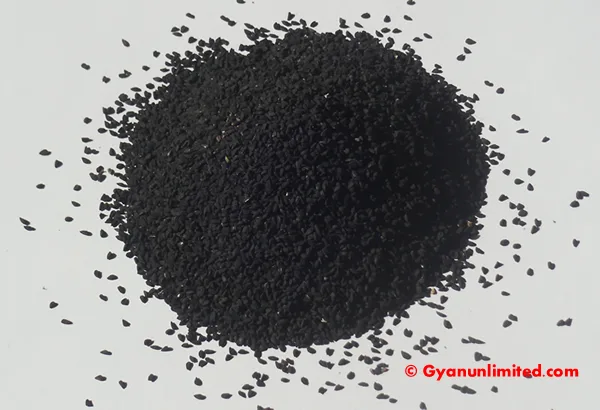
Kalonji seeds are small, black, and rich in thymoquinone — the compound most studied in modern research on Nigella sativa.
Kalonji’s Medicinal Ingredients and Nutritional Facts
Nutritionally, Kalonji oil contains many minerals and essential nutrients. The black seeds are rich in calcium, iron, sodium, and potassium. They have high nutritional value and are full of dietary fibre as monosaccharides and non-starch polysaccharides. Monosaccharides such as glucose, rhamnose, xylose, and arabinose are found in Kalonji. Kalonji is abundant in fatty acids, especially the essential and unsaturated fatty acids. It contains 15 amino acids. Arginine and carotene are suitable for infant growth and vitamin A formation.
The seeds contain the following chemical components: volatile oil (1.5%), non-volatile oil (37.5%), albumen, sugar, organic acids, and glucoside.
25 Traditional Health Benefits of Kalonji Oil
The following traditional uses of Kalonji oil are drawn from Unani and Ayurvedic practice. They represent long-documented traditional applications rather than confirmed medical treatments. Every use here requires appropriate medical consultation, particularly for any existing health condition or medication.
- Supports hair health: Massage your head with lime juice and leave it for 20 minutes. Wash it with herbal shampoo. Once the hair is dry, apply Kalonji oil. Continue for 15 days to support hair health and reduce hair fall. A paste of Kalonji oil (10 g), olive oil (30 g), and mehendi powder (30 g), gently heated and cooled, may be applied to the scalp once a week.
- Traditionally used in blood sugar support: A mixture of black tea decoction (1 cup) and Kalonji oil (½ tsp), taken in the morning and before going to bed, is a traditional practice. Diabetic patients must consult their doctor before using Kalonji oil, as it may affect blood sugar levels and interact with diabetes medication.
- Skin care — pimples and blemishes: Mix sweet lime juice (1 cup) with Kalonji oil (½ tsp) and apply to the face morning and night. Vinegar (1 cup) mixed with Kalonji oil (½ tsp) is also traditionally used for skin spots.
- Supports memory and concentration: Mint leaves (10 g) boiled in water with ½ tsp Kalonji oil, taken twice daily for 20–25 days, is a traditional Unani remedy for cognitive support.
- May help relieve headache: Applying Kalonji oil to the forehead and near the ears, alongside ½ tsp taken twice daily, is a traditional headache remedy. Rubbing Kalonji oil on the forehead and near the ears is beneficial for headache relief.
- Traditionally used for respiratory support: Warm water (1 cup) with honey (1 tsp) and Kalonji oil (½ tsp), taken morning and evening, is a traditional Unani remedy for respiratory discomfort. This is not a substitute for prescribed asthma medication — always consult your doctor.
- Heart health support: Goat milk (1 cup) with Kalonji oil (½ tsp), taken for one week, is a traditional remedy used as part of an overall healthy lifestyle. This is not a substitute for medical treatment of heart conditions.
- May help relieve joint discomfort: A topical mixture of Kalonji oil (½ tsp), vinegar (1 cup), and honey (2 tsp), applied to joints twice daily, is a traditional practice. A mix of dry fig (2 pieces), Kalonji oil (½ tsp), and milk (1 cup), taken once a day, is traditionally used for joint, neck, and back discomfort.
- Eye health support: Kalonji oil (½ tsp) with carrot juice, taken twice daily, is a traditional eye-health remedy. Always consult an eye specialist for any eye condition.
- Antioxidant properties: Thymoquinone has been extensively studied for its antioxidant activity in laboratory research. Kalonji oil is not a treatment for cancer — always consult your oncologist for any cancer-related concern.
- Traditionally used for blood pressure support: Kalonji oil (½ tsp) with hot tea, taken twice daily, is a traditional Unani practice. Low blood pressure patients should consult their doctor before use, as Kalonji may further lower blood pressure.
- Kidney health support: A mix of Kalonji oil (½ tsp), warm water (1 cup), and honey (2 tsp), taken twice daily, is traditionally used to support kidney wellness. For kidney discomfort, a mixture of ground black seed (250 g) and honey (1 cup) — 2 tsp of the mixture with ½ cup water and ½ tsp Kalonji oil — is a traditional remedy.
- Dental health support: Kalonji oil (½ tsp) with curd (1 cup), taken twice daily, is traditionally used to support gum health. A rinse of Kalonji oil (½ tsp) with vinegar (1 tsp), used three times daily for one week, is also a traditional practice.
- May help relieve cough and cold discomfort: Kalonji oil (½ tsp) with warm water (1 cup) and honey (2 tsp), taken twice daily, is a traditional remedy for cough, cold, and sinus discomfort.
- Weight management support: Kalonji oil (½ tsp) with honey (2 tsp) in lukewarm water, taken up to three times daily, is traditionally used alongside a balanced diet and active lifestyle.
- Skin glow and beauty: Olive oil (50 g) and Kalonji oil (50 g) combined — ½ tsp of the mixture taken before breakfast for one week — is traditionally used to support skin radiance.
- May help with acidity and gas: Ginger juice (1 tsp) with Kalonji oil (½ tsp) and a pinch of salt in water is a traditional Unani remedy for digestive discomfort.
- Traditionally used for piles discomfort: Kalonji oil (½ tsp) mixed with vinegar (1 tsp), applied externally three times a day, alongside Kalonji oil with black tea decoction taken internally, is a traditional practice. A mixture of mehendi leaves (50 g), olive oil (250 g), and Kalonji oil (½ tsp), boiled and cooled, is applied to the affected area.
- Supports urinary health: Milk (½ litre), Kalonji oil (½ tsp), and honey (1 tsp), taken twice daily for one week, is a traditional Unani remedy for urinary discomfort.
- May help with stomach discomfort: Kalonji oil (½ tsp) with a little black salt and warm water (½ glass), taken two to three times daily, is a traditional remedy. For chest irritation, Kalonji oil (½ tsp) with milk (1 cup), taken twice daily for one week, is a traditional practice.
- Ear health support: A few drops of gently warmed Kalonji oil is a traditional remedy for ear discomfort. Consult an ENT specialist for persistent ear problems.
- Cracked skin care: Sweet lime juice (1 glass) with Kalonji oil (½ tsp), applied twice daily, is a traditional remedy for cracked hands and feet.
- May help relieve nausea: Boiled coriander (1 tsp) with Kalonji oil (½ tsp), cooled and taken with mint leaves three times daily, is a traditional Unani remedy for nausea.
- Seasonal allergy support: Warm water (1 cup), honey (1 tbsp), and Kalonji oil (½ tbsp), taken before breakfast and before bed for 30 days, is a traditional Unani practice for seasonal allergy relief.
- Supports energy and vitality: Orange juice (1 glass) with Kalonji oil (½ tsp) is a traditional Unani remedy used to help relieve tiredness and support overall vitality.
Kalonji for Hair Loss — Traditional Remedies
Kalonji oil is traditionally used in Unani medicine for hair care — as a scalp treatment to support hair strength and reduce hair fall. The following traditional remedies are drawn from that practice.
- Hair oil massage: Rub Kalonji oil on the scalp in the morning and evening. Drinking coffee (1 cup) with Kalonji oil (½ tsp) twice a day is a traditional accompaniment used for hair health.
- Lime juice and Kalonji oil treatment: Rub lime juice on the head and wash with shampoo after 15 minutes. Once dry, apply Kalonji oil. Continue for 5 weeks to support hair health.
- Kalonji + mehendi paste for hair: A paste of Kalonji oil (20 g), mehendi powder (20 g), and vinegar (60 g), applied to the scalp for one hour and washed with fresh water once a week for one month, is a traditional practice for hair care.
- Kalonji + olive oil + mehendi: A mixture of Kalonji (10 g), olive oil (30 g), and mehendi powder (30 g), heated into a paste and applied to the scalp, is a traditional remedy for dandruff and scalp health.
- Massage with Kalonji oil: Rubbing the head with black seed oil is traditionally believed to support hair follicles and reduce hair fall.
For a complete guide to hair loss prevention through Ayurveda, Yoga, and Homeopathy — including yoga poses, dietary guidance, and multi-system approaches — see our detailed overview: Hair Loss Prevention through Ayurveda, Yoga & Homeopathy.
Kalonji for Women’s Health
Kalonji oil has been traditionally used in Unani medicine to support various aspects of women’s health. The following are traditional uses — they are supportive practices, and any persistent gynecological concern should be evaluated by a qualified doctor.
Traditionally Used for Leucorrhoea and White Discharge
Make a mixture of mint leaves boiled in water (½ litre). Cool it and add Kalonji oil (½ tsp). Drink it in the morning before breakfast and at night before going to bed. This traditional remedy is continued for 30–40 days. Consult a gynecologist for persistent symptoms.
Menstrual Support
A mixture of Kalonji oil (½ tsp), honey (2 tsp), and warm water (1 cup), taken twice daily in the morning and evening for 40 days, is a traditional Unani practice to support menstrual regularity. Consult your gynecologist for menstrual concerns.
Postpartum Recovery Support
A mixture of cucumber juice (1 cup) and Kalonji oil, taken twice daily, is a traditional Unani practice used during the postpartum recovery period. Always consult your doctor before using Kalonji oil during pregnancy or breastfeeding.
Lactation Support
A mixture of milk (1 cup) and a few drops of Kalonji oil, taken twice a day for one week, is a traditional Unani practice used to support lactation. Consult your doctor or lactation consultant before using any herbal remedy while breastfeeding.
General Vitality Support
A mixture of Kalonji oil (½ tsp), honey (2 tsp), and Jaiphal (nutmeg) oil (½ tsp), taken once a week for two weeks, is a traditional Unani remedy used to support general vitality.
Kalonji for Immunity Support
Classical Unani and Ayurvedic sources consistently describe Kalonji as a seed that supports the body’s natural resilience. Modern research has examined several of these traditional immune-support claims.
Thymoquinone, the primary bioactive compound in Nigella sativa, has been studied in laboratory and animal research for its antioxidant, anti-inflammatory, and immunomodulatory properties. Research has documented effects on immune cell activity — including natural killer cell activity and T-cell ratios — though most of this research remains at the preclinical stage and larger human trials are needed before firm conclusions can be drawn.
Traditional immune-support practices include: 7 Kalonji seeds with honey mixed in hot water before breakfast; and a mixture of Kalonji oil (½ tsp) with warm water and honey, taken twice daily. These are supportive traditional practices — they are not a treatment for any specific viral or bacterial infection, and anyone with symptoms of illness should consult a doctor.
Black Seed Oil for Western Wellness
In Western markets, black seed oil is most often sold as a standardized supplement — typically in softgel form with a stated thymoquinone concentration (commonly 2%–5% standardized extract). The most widely studied Western dosage range for general wellness support is 500–1,000 mg of black seed oil daily, taken with food. Western supplement buyers often look for cold-pressed, organic, or hexane-free oil, and many products now specify thymoquinone percentage on the label as a quality marker. While the scientific evidence base is still developing, black seed oil has become one of the more researched botanical supplements in Western integrative medicine — appearing in reviews on inflammation, metabolic health, and respiratory support. Standardized extracts may not be equivalent to the traditional cold-pressed oil used in Ayurvedic and Unani practice. If you are considering black seed oil as a supplement, consult a qualified healthcare provider first, especially if you take prescription medication.
What Modern Research Says About Thymoquinone
Scientific interest in Nigella sativa and thymoquinone has grown substantially in recent years, though it is important to present this research honestly — much of it remains preclinical or early-stage, and findings are sometimes inconsistent.
Research on thymoquinone has documented antioxidant, antimicrobial, anti-inflammatory, and other biomedical properties across laboratory and animal studies, with researchers noting that animal and human studies indicate a potential role for Nigella sativa across a diverse range of conditions including hypertension, dyslipidaemia, type 2 diabetes, arthritis, and asthma. A 2022 systematic review focused specifically on diabetes management identified a meaningful body of clinical research, while cautioning that further large-scale trials are needed before firm clinical recommendations can be made.
At the same time, research has not been uniformly positive. A review of clinical trials on lipid profiles found that while some randomized controlled trials reported benefit for hyperlipidemia, at least one study found no statistically significant effect on serum lipid levels, blood sugar, or blood pressure — underscoring that Kalonji’s effects are not yet consistently established across all the traditional uses claimed for it. Researchers have also noted a practical limitation — thymoquinone has low oral bioavailability and is rapidly eliminated from the body, which has limited its clinical development despite promising laboratory findings.
While studying the traditional literature on Kalonji, I have observed that most classical uses are described as supportive — not curative — which aligns with how modern research frames the evidence today.
Kalonji in Ayurveda — Krishna Jeeraka
In Ayurveda, Kalonji is known as Krishna Jeeraka or Upakunchika and is classified as having Katu (pungent) and Tikta (bitter) Rasa, with Ushna (heating) Virya. It is traditionally considered effective for balancing Kapha and Vata doshas, making it particularly relevant for digestive sluggishness, respiratory congestion, and joint stiffness.
Ayurvedic texts describe Krishna Jeeraka as Deepana (appetite-stimulating) and Pachana (digestion-supporting), explaining its traditional use across multiple digestive remedies. It is also classified as Krimighna (traditionally used against intestinal parasites) and Shothahara (traditionally used for swelling). In Ayurvedic formulations, Kalonji is sometimes combined with other warming digestive herbs like ajwain and ginger for compound digestive preparations.
Kalonji in Unani Medicine — Habbat-ul-Sauda
Kalonji holds a particularly prominent place in Unani medicine, where it is known as Habbat-ul-Sauda (the blessed seed) or Siyah Daana. Classical Unani sources describe Habbat-ul-Sauda as a warming seed used across respiratory, digestive, dermatological, urinary, and general vitality support — a tradition that has continued for centuries.
Safety, Side Effects, and Precautions
While Kalonji oil is generally considered safe in small traditional quantities, several precautions are important to understand before use.
- Allergic reactions: May cause allergic reactions in some individuals — perform a patch test before topical use.
- Stomach upset: May cause stomach upset, nausea, or constipation in some people when taken internally.
- Seizure risk: May increase the risk of seizures in susceptible individuals.
- Pregnancy: May slow uterine contractions — avoid during pregnancy.
- Bleeding: May slow blood clotting — avoid if you have a bleeding disorder or are on blood-thinning medication.
- Blood sugar: May lower blood sugar — diabetic patients must consult their doctor before use.
- Blood pressure: May lower blood pressure — low blood pressure patients should consult their doctor.
- Surgery: Avoid use for at least two weeks before any scheduled surgery, as it affects blood clotting and blood sugar.
- Children and elderly: Always consult your doctor before giving Kalonji oil to children or elderly individuals.
- Prolonged high-dose use: Due to its low oral bioavailability, very high self-administered doses do not necessarily translate to proportionally greater benefit, and may increase the risk of side effects. Prolonged high-dose use should be avoided — consult a qualified practitioner for guidance.
I always advise my readers to consult a qualified practitioner before using Kalonji oil for any ongoing health condition, especially if you are on prescription medication.
Frequently Asked Questions
Q: Is Kalonji the same as Til (sesame seeds)?
A: No. Kalonji (Nigella sativa) and Til (sesame, Sesamum indicum) are entirely different plants with different seeds, oils, and traditional uses, though both are common in Indian kitchens and traditional medicine.
Q: How much Kalonji oil is safe to take daily?
A: Traditional practice typically uses ½ teaspoon once or twice daily, usually mixed with water, honey, or milk. There is no universally established safe upper dose from clinical research, and given thymoquinone’s documented low bioavailability, taking more than traditional amounts does not necessarily provide additional benefit. Always start with a small amount and consult a qualified practitioner, particularly for prolonged use.
Q: Can Kalonji oil cure serious diseases like cancer, HIV, or paralysis?
A: No. Kalonji oil is not a cure for cancer, HIV, paralysis, or any other serious medical condition. Some laboratory research has examined thymoquinone’s effects on cancer cells in controlled in-vitro settings, which is genuinely an active area of scientific interest — but this is preliminary laboratory research, not evidence that Kalonji oil treats or cures cancer or any other serious disease in humans. Anyone with a serious medical condition should rely on appropriately diagnosed and supervised medical treatment.
Q: Where can I buy genuine Kalonji oil or seeds in India?
A: Kalonji seeds and oil are widely available at Indian grocery and spice stores, Ayurvedic and Unani pharmacies, and through established online retailers. Look for cold-pressed oil from a reputable brand, and check for proper labelling and batch information to ensure quality and purity.
Q: Can Kalonji oil be taken with other medications?
A: This depends entirely on the specific medication. Kalonji may interact with blood sugar medications, blood pressure medications, and blood-thinning drugs in particular, given its documented traditional and researched effects on these systems. Always inform your doctor about any Kalonji oil use, especially if you are on regular prescription medication.
Q: Is Kalonji oil safe for children?
A: Kalonji oil should only be given to children under the guidance of a qualified doctor or paediatrician. Dosage, safety, and appropriateness vary significantly by age and individual health status.
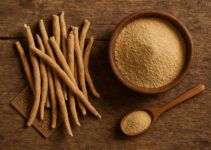



Interesting facts revealed about hair loss, Even though there are so many hair care products claim hair fall reduction. Still no single product is an effective one. Hopefully such products helps a lot for people suffering from hair loss.
कलौजी तेलमे कॉफी मीक्स करणा लीखाहै वो कैसे है कॉफी पावडर कीतनी लेनी है सब मेथेड वताईये और ये ऑईल देशी दवाईकी दूकानमे मिलती है?
Kalonji Oil is readily available in all chemist shops accross India. Take care and stay healthy!
I,m impressed by the benefit of kalonji oil,
Can we apply kalonji oil in hair?
Kalonji oil has a hoard of nutrients in it. Massaging the scalp with black seed oil, nourishes our hair and makes it healthy. As far as natural hair is concerned, black seed oil may help in regrowing certain thinning areas on the scalp too. Use Kalonji/ Black seed oil regularly and have a happy and healthy scalp.
Can it also cure some growth? I hv on on my arm
A friend of mine has been diagnosed HIV positive and has been recommended to start taking RV TABLETS. H has access to Kalongi Black Seed Oil. (HEMANI Brand). What other combination can he use to cure this condition. Please help.
Hey also check out Prunella vulgaris aka ‘heal all’
my daughter is 14 years old and her weight is 93 she is not having suger thyroid she have svr back pain pl i need your help we are using a lot of medicines for her plz i want to know wthr kalonji oil cn give relief to here or not? if yes how can i use it
Kalonji oil available at all Indian grocers store.
Take equal quantity of kalonji seeds methi seeds & ajwain seeds grind separately for fine powder mix all powder keep in glass jar daily after dinner take one tea spoon with one cup mild hot water and if possible message lightly with mild hot mustard oil and keep hot bag and sleep
could you kindly send me more literature on kalonji oil
thank you so mach Brar sahib very good desi dowai ji dhanwad
My weight is 93kg my age is30 i want to loose weight so how can i loose weight from kalonjiseeds
You can use kalonji oil it cures all your problem
take chia seeds daily for weigt loss
Iam 30 years my weight is93 want to loose weight from kalonji seeds
salam kareem. you should take a glass of warm water. add a tablespoon on pure honey then add some powdered cinnamon and mix. in the end add 1-2 small teaspoons of kalongi oil and mix again. drink this 20.mins before kbreakfast. also drink this before going to bed. stop eating 2-3 hrs before going to bed.
How to use kalonji oil for eyesight improveness?
Mix half tea spoon kalonji oil in one glass of carrot juice and drink once for 21 days and u can see the difference
Hi how can I order
Dear sir iam suffering form diabites , kindly help me out come out form this diabities.
make a paste of bitter gourd with olive oil and put in a jar and keep it in a fridge and every morning on empty stomach eat one teaspoon of the paste that will reduce your blood sugar.
whether Kalonji oil is a kind of essential oil. I used 2 different kinds of essential oil. But few effective 🙁
Kalonji oil is black seed oil. Not necessarily in essential oil form.
Hey i just wanted 2 now does kalanji oil give u stumach acid I’ve started taking it 2 times a day morning and evening 1 teaspoon each time I’ve got rely bad stumach acid is there any way 2 consume it so I dnt get stumach I rely don’t want 2 stop taking it thank you
How are you using it? Or kitni miqdar me use kr rhi hain or kaise or kis purpose k lye. Please share
From nature are the best
Super herb for health
Today i went to a pansar store and bought 1 kg black seed and grind it from a shop. I get 0.380gm from one kg black seed.
Is there any body who know how to use this oil for eyesight improveness??
is this black seed and Til in (hindi) same seed
No, they are different seeds.
Dear Adil,please take this oil only under advice of an experienced hakeem/aurvedic practitioner/ vaidya. Afterall it is matter of light and darkness for you.Wish you goodluck
Assalam-o-alekum
hi pls help me were I’m bought a kalonji oil becoz I dnt trust such a stores n shops may b they hv a doplicate material it any other way to buy a pure kalonji oil becoz I really impressed to kalonji oils benifits.
Where can I get Kalongy Seeds in bulk including its oil… Indeed I am so interested to try some of the remedies mixed with this herb and its oil.
In India every retail spice shop.or in herbal /kirana store.What’s ur location.
Western countries go to any Indian grocery store
you can find in any Indian grocery store in spice section
Try your local Indian grocery store. There is always a beauty section. Ask the employees for help to find products.
can kalongi oil capsule used in summer
Kalonji oil for Acidity and hyperacidity: Acidity and gas formation can be prevented when the mix of ginger juice (1 tsp), Kalonji oil (½ tsp) is taken along with salt and water.
How much salt and water
Do the seeds have the same effect as the oil? How can I use them?
can you distribute in Sydney, Australia
hi can kalonji seeds or oil cure hiv
Except death all diseases are curable as per Quran and this was confirmed by our prophet Muhammed S.A.W.S, so there is a cure for any disease through
kalonji.
when should i wash after applying the lime juice with kalonji oil on face……plzzzzz reply me soon
Which company kalonji oil can be issued.
You can try out the Kalonji oil of Aaidah Life Sciences. It is available on amazon. I have used it and the results are impressive.
I have taken KOLONJI for falling of hair, getting good results by the grace of Almighty Allah
bilal sahab, how are you using the klonji oil for prevention of hair fall.
Unique herbs.which is safe.and beneficial in lot of diseases. But I think in joints pain kalonji and add more herbs and ayurvedic oil are more effective in joints pain.
WHERE I CAN GET IN SYDNEY AUSTRALIA
Hi,
It is available at udhya store at Liverpool or at Wentworthville Sydney
nice
i’ve been using Kalonji oil for two years Mush Allah it’s working very good!
in sha allah i will start to be use ….
I’m in Elliot in Eastern cape it’s possible to get Kalonji oil?i’m Epileptic & my eye tube is not working can I use it
Kalonji oil for Acidity and hyperacidity: Acidity and gas formation can be prevented when the mix of ginger juice (1 tsp), Kalonji oil (½ tsp) is taken along with salt and water.
How much salt and water…………..and how to take this and at what time….before taking meals or after and how many tines in a day. Please specify.
In quran it is mentioned that it is a medicine for 90 diseases.
My asthma has been cured because of kalonji oil
I have been using the amazing black seed oil for my cellulitis and it has had an amazing result. The inflammation is gone so has the redness the horrible scaly skin is softer and nicer on the eyes and ime sure the scaring is starting to look like it’s going away. By the grace of God this substance is the answer too many prayers. Please try it for $7 Australian you can’t go wrong. Happy Days of love and light everyone .Selesste.
Hye. I have hypothyroid day by day my weight is too much gain plz help me tell what can I do
Hi good day….is it this oil can cure hiv
Quite interesting research oriented write up !
Can kalonji oil be used along with almond oil like equal portion n applied on hair
Assalamu alaykum! I’m from the philippines, how can we purchase kalonji oil?
Salam.is the any cure for vitiligo(safeed Daag)to use black cumin.
It’s a great way of treatment.
For everything, Qki kalonji bht shifa deti hai.
How to use this in medicine for the jaundice, and also explain the medical content of kalonji seed only for jaundice, how many medicine are prepared for jaundice in kalonji seed,and their names
I m really very tensed due to my hair fall.so plz help me how I can get my hairs back.
Is it okay to leave Kalonji oil on itchy scalp over night?
Please help me in this meter..
Ruku.
HEY.sir ye sunheri gearu kia hota hai plz tell me
sir.plzz mujhy weight gain ka b kuch batady mera weight day day lose hota hai ma bhut zayada weak hu sare bones nikly huwe hai plzz mujhy kuch batady jis sy mera weight barh jaye plzzzz tell mee i m waiting
Sounds interesting. I am also starting to take kalonji oil
“Kalonji oil for swollen on vital organs
Before using nigella sativa mix over the sensitive swollen parts, it is suggested to wash these portions with fresh water properly. Rub kalonji oil on the swollen parts and left it for 10-12 hours followed by washing it with soap. There is a greater chance that the problem of swollen will be got solved.”
Must this be applied tothe vagina or drink it? – What is the mix made of?
How can I get the kalonji herbal medicine. I stay in Nairobi Kenya.
My hubby is suffering from cellulites please do advice how he can use the seed
This magical seeds are very useful in constipation and other diseases. After using this seeds I cured constipation and hair loss.
Thanks Allah.
Hi. I am in South Africa where can i get Kalonjioil? Please help.
Go to any spice centre
Pls Prescribe the medicine for curing oily dandruff on scalp. The disease is known as Sebhoric Dtematitis in Allopathic medicine.
You can use apple deluted apple cider vinegar
In Nairobi you can get kalonji oil from downtown hindi shops.
I’m having dark sports all over my face and body. please help
I had a 1 cm dark spot on my chin under my lower lip. I am using Kalonji Oil for one week first thing in the morning with plain hot Green Tea and last thing at night. The mark has already lightened.
Hi.i hv fibroids in uterus.how can i use black seed to get rid of these fibroids.pleasevreply me by mail
Salam, how r u doing? I have got an athraitus therefore can I use kalonji see instead of the oil will it make any difference?nd how do I take please help me. Thanks
I have duodenal mass can it help cure it and if so how much do it take.
Can you please advise whether kidney failure patient can consume kalonji oil. I only have about 25% kidney function left. I am not on any form of dialysis as yet. Thank you and greatly appreciate your reply.
Hi,
This is Amjad Hassan from Dubai, l have acute pain in knee, taking medicin but no benifit, can you advise for this treatment, , have joint pain also.
How to use kalonji oil for nasal allergy?
My friend having hepatitis b please tel me the method how he use kalonji for this disease thanks
being muslim i don’t entertain any doubt about the uses of kalonji. We should fully endorse what has been said by our prophet Mohmmad (SAW) regrading Kalonji,
hi
I have blackheads on my back. Will this oil help me? and if so how do I use it to cure this problem of mine.
Thank You
M 19 years old I have lot of acne vulgaris and scars on my face plzz tell me remedy… N how to use it
My relation is suffering from HIV. How do kalonji oil help. How to use?
Tell them to make their body Ph alkaline with foods and drinks such as vegetables and fresh vegetables juices but blood ph must be acidic it will help trust me
I have asthma and environmental allergies. A friend told me to use calonji seeds, purchased from an Indian Grocery store. He suggested inhaling one seed in each nostril. Do you know anything about using the seed in this way?
For Asthma the best way to use is…
Half cup boiled and hot water mix it with 1 tea spoon kalonji oil and 2 tea spoon of pure honey, drink in early morning and at bed time.
My wife before marriage was suffering from it,, with one month course alhamdo lillah she is 100% cure masha Allah. Now it’s been 8 years she doesn’t have asthma.. Alhamdo lillah
Assalamualykum, How I Drink kalonji Oil in Normal Body ? Can you pls tell me ?
Good day
I just want to find out how much water must be used to boil the mint leaves in?
Can we se direct kalonji seeds for irregular periods
Prefer drinking kalonji oil …one to two teaspoons morning and night with warming hot water !…it helps greatly but little slow !
what is mint leaves
Hi,
Mint leaves is the most healthiest, sacred and wonderful medicinal ayurvedic herb. The aromatic leaf is full of nutrients and medicinal values. It is used to make variety of recipes. As far as ayurveda treatments are concerned, the holy leaf is used in about 300 treatment cases. It shows its medical importance.
Iam in Nairobi Kenya where will I get this kalonji oil please my mother has BP and anthrities
Hi,
You may purchase it through Amazon.
I love all the spices that you sell natural is always best, thanks for sharing your product with the world
Can kalonji oil cure benign brain tumor?
Hi, my mother is 80years old & has got Gallstones and the doctors can’t operate on her because of the age. We’ve been using all sorts of medication including Kalonji oil and seeds.
Thanks for sharing the benefits of kalongi oil. it is indeed extremely helpful.
Can this be used for fatty liver and fatty tissue pushing out hernia.
Hello
Dialysis process want to close of my patient, what would combination suggest with kalonji .
Hi my son is suffering from depression and taking anti pressant and xytomil for sleeping.Thus is brother in me a lot.My aunt advised me to buy a kalonji oil will it help.
Thanks
Hello,
Am in rwanda. how can I have access to nigella sativa and mehend powder,…I want to use them in preventing my hair loss.
and what is the cost.
regads, Ernest
You can order from amazon.
You may also try rosemary for hair growth
Hi to mix black seed powder for pcos
I’m 24 and my weight is 85kg. I want to reduce my weight using this seed and also can you say the procedure to prepare my own homemade black seed oil. How?
Will this oil help WITH MS
SYMPTOMS?
IF SO….HOW SHOULD I USE IT?
In the #1 recommendation, it says Kalonji oil, Olive oil and Mehandi. It is Mehandi? or Mehti (Fenugreek).
It is Fenugreek.
Methi = fenugreek & Mehandi = henna
How to use kalonji for paralysed person?
How to finish heavy bleeding can we use kolonji in heavy period
Can I use black seed when I have IUD with spotting bleeding and periods ?
I have suffered from heavy periods for 20 years.
I went for ablation 2 years ago even that didn’t help.
So I stated taking black seed oil tablets X2 a day and magnesium and zinc tablets and Allhumdiila my period is much lighter and regular.
I do have the odd heavy periods but not as bad as before.
Can I give kalonji oil for my daughter age 13 for irregular periods
I’m starting to use kalongy , seeds & oil & hopefully get good results
, jaswant from Vancouver BC Canada
sure
black seed oil is very beneficial in gynecological disorder.
Paralysis: The mix of warm water (1 cup), honey (1 tbsp), and kalonji oil (½ tbsp), when used twice a day, helps to recover paralysis.
Is this to drink or apply over the body?
Paralysis recommendation:
Is this to drink or apply over the body?
You can apply the oil. However, it can be taken also after the consultation of a physician.