Medical Disclaimer: This article is intended for educational purposes only and covers traditional Ayurvedic and Unani approaches to health and wellness. Ashwagandha is not a substitute for professional medical advice or treatment. Please consult a qualified medical doctor or Ayurvedic physician before using Ashwagandha, especially if you are pregnant, nursing, on any medication, or have a diagnosed health condition. Do not discontinue any prescribed medication based on information in this article. See our Medical Disclaimer for full details.
What is Ashwagandha?
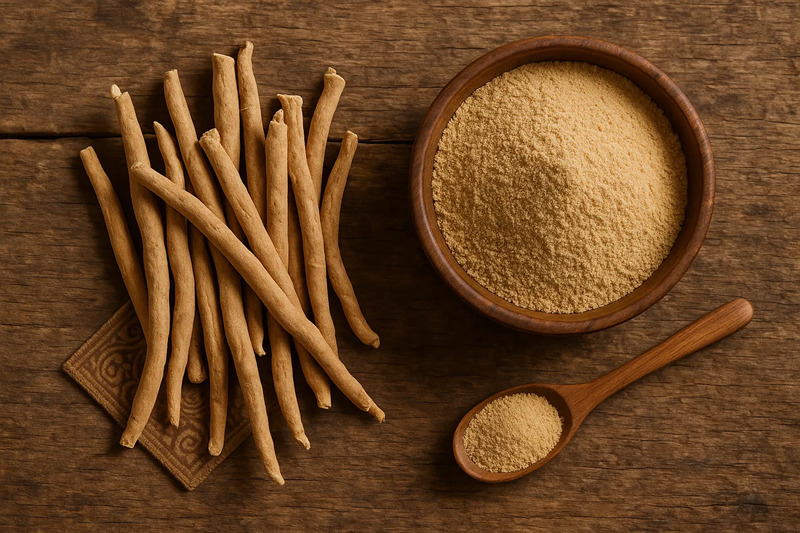
Ashwagandha (Withania somnifera) is one of the most celebrated medicinal plants in Ayurveda and Unani medicine, used for over 3000 years as a Rasayana — a rejuvenating tonic that supports longevity, vitality, and overall health. The name Ashwagandha comes from two Sanskrit words — Ashwa meaning horse and Gandha meaning fragrance — reflecting both the characteristic smell of its root and its traditional reputation for giving the strength and stamina of a horse.
Source : Image by NutriScan App from Pixabay
Ashwagandha is known by several names across traditional medicine systems:
- Sanskrit: Ashwagandha
- Hindi: Asgandh
- English: Indian Ginseng, Winter Cherry
- Unani: Asgandh Nagori — the Nagori variety from Rajasthan is considered the finest quality
- Botanical name: Withania somnifera
The plant is a small evergreen shrub native to India, North Africa, and the Mediterranean region. Its roots are primarily used in traditional medicine, though leaves and berries also have documented uses. In Ayurveda it is classified as a Sattvic Kapha Rasayana — the most prominent herb among all Rasayana herbs — and as a Medhya herb — specifically beneficial for the brain and nervous system. In Unani medicine it is classified as Muqawwi-e-Aam — a general tonic — and as a Muqawwi-e-Asab — a nervine tonic for the brain and nervous system.
Ashwagandha in Classical Ayurvedic Texts
The Charaka Samhita and Sushruta Samhita — the foundational classical texts of Ayurveda — both document Ashwagandha extensively. These ancient texts recommend Ashwagandha specifically for those experiencing weakness, tiredness, poor body weight, and neurological difficulties. As an adaptogenic Rasayana, it is believed to support the body’s natural resilience against physical and mental stress by restoring the body’s fundamental balance.
Ashwagandha is particularly indicated in classical Ayurveda for Vata dosha imbalances — conditions related to anxiety, dryness, weakness, nervousness, and general depletion. It is warming, grounding, and nourishing in nature and is given in traditional practice to children as a growth tonic, to the middle-aged for vitality maintenance, and to the elderly for longevity support.
20 Traditional Health Benefits of Ashwagandha in Ayurveda and Unani
The following benefits are based on traditional Ayurvedic and Unani medicinal documentation and available research. They are presented for educational reference only. Individual results vary. Always consult a qualified practitioner before use.
1. Supports Stress and Anxiety Relief — Adaptogenic Properties
Ashwagandha is the premier adaptogenic herb in Ayurveda — meaning it supports the body’s natural ability to manage and resist stress. In classical Ayurvedic practice it has been used for centuries to support mental calmness and reduce the physical and emotional effects of chronic stress. Ashwagandharishta — a traditional fermented preparation — is specifically mentioned in Ayurvedic texts for anxiety, memory loss, and stress-related conditions. This is the most widely studied benefit of Ashwagandha in modern research as well.
2. Traditionally Used to Support Thyroid Health
In Ayurvedic practice, Ashwagandha is used as a general endocrine system tonic and is considered beneficial for supporting thyroid function as part of an overall wellness approach. Critical Note: Ashwagandha may increase thyroid hormone levels — T3 and T4. People with hyperthyroidism must avoid it. People with hypothyroidism on medication must consult their doctor before use as it may interact with thyroid medication. This is not a treatment for thyroid disease.
3. May Support Healthy Blood Sugar Levels
Ashwagandha is documented in Ayurvedic texts for supporting metabolic health and is traditionally used in dietary management for blood sugar support. Important: Ashwagandha may lower blood sugar levels. Diabetic patients on insulin or oral medication must consult their physician and monitor blood sugar carefully before using Ashwagandha.
4. Supports Male Reproductive Health and Vitality
In Ayurveda, Ashwagandha is classified as a premier Vajikaran herb — one that supports male reproductive vitality, strength, and fertility. The Charaka Samhita specifically mentions it in formulations for male reproductive wellness. It is used in traditional preparations for supporting sperm health, stamina, and general male vitality. It is one of the most recommended Rasayana herbs for men in classical Ayurvedic practice.
5. Builds Physical Strength and Stamina
The traditional name itself reflects this property — consuming Ashwagandha is believed in Ayurveda to give the strength and endurance of a horse. It is given in classical practice to those recovering from illness, experiencing physical fatigue, or seeking to build overall physical resilience. Athletes and wrestlers in traditional Indian wellness systems have used Ashwagandha as a natural strength tonic for centuries.
6. Supports Heart Health
Ashwagandha is mentioned in traditional Ayurvedic and Unani texts for supporting cardiovascular health and healthy circulation. It is believed to support heart function and healthy cholesterol levels as part of an overall wellness routine. This is not a substitute for medical treatment of any heart condition. Always consult your cardiologist.
7. Supports Immunity as a Rasayana Herb
As a Rasayana herb, Ashwagandha is fundamentally classified in Ayurveda as an immunity-building tonic. Rasayana herbs are given in classical Ayurveda to support Ojas — the vital essence that governs immunity, strength, and vitality in Ayurvedic understanding. Regular use as part of a balanced lifestyle is traditionally considered deeply supportive of overall immune health and disease resistance.
8. Supports Memory and Cognitive Function
Ashwagandha is classified as a Medhya Rasayana herb in Ayurveda — meaning it is specifically beneficial for the mind, memory, and cognitive function. The Charaka Samhita mentions its use for supporting memory, concentration, and mental clarity. In Unani medicine it is a premier nervine tonic used for brain and nervous system nourishment. Ashwagandharishta is the classical Ayurvedic formulation specifically used for memory, anxiety, and nervous system support.
9. Supports Healthy Sleep Quality
The botanical name Withania somnifera — where somnifera means sleep-inducing in Latin — directly reflects Ashwagandha’s traditional use for supporting restful sleep. In Ayurveda, Ashwagandha is traditionally taken with warm milk at night to support relaxation and sleep quality — one of the most common traditional preparations still used in Indian homes today. Note: Do not combine with sedative medications without medical supervision.
10. Supports Joint and Muscle Comfort
Ashwagandha has been used in Ayurveda for centuries for conditions involving joint discomfort, muscle stiffness, and inflammatory conditions. Ashwagandha oil massage is a traditional Ayurvedic practice for joint and muscle support. It is documented in classical texts for conditions similar to what is today known as arthritis and rheumatic conditions.
11. Traditionally Used for Women’s Hormonal Wellness
In Ayurveda, Ashwagandha is used in women’s health formulations for supporting hormonal balance and managing stress-related hormonal disturbances. It is traditionally considered beneficial for supporting menstrual regularity and reproductive wellness. Pregnant women must not use Ashwagandha — it may stimulate uterine contractions. This is a firm contraindication. Always consult your gynaecologist before use.
12. Supports Healthy Weight and Body Composition
In Ayurveda, Ashwagandha is used for building healthy body mass in those who are underweight — particularly children and the elderly — as part of Rasayana therapy. For those managing weight, its adaptogenic properties may support healthy metabolism by addressing stress-related hormonal imbalances. Weight management benefits are best seen as part of a holistic approach including diet and exercise.
13. Supports Energy and Relieves Fatigue
Ashwagandha is one of the primary herbs in Ayurveda and Unani for managing chronic fatigue and low vitality. In Unani medicine it is classified as Muqawwi — a strengthening tonic — specifically used for general weakness, tiredness, and low energy. The traditional daily preparation of Ashwagandha churna with warm milk and honey is used as a Rasayana vitality tonic in Indian homes to this day.
14. Traditionally Used for Hair Health
Ashwagandha is mentioned in Ayurvedic texts for supporting scalp health and addressing stress-related hair loss. Since stress is a significant contributor to hair fall, its adaptogenic properties are considered beneficial for hair health. Ashwagandha-based hair oils are part of traditional Ayurvedic hair care and scalp nourishment practices.
15. Supports Skin Health and Natural Glow
As a Rasayana herb, Ashwagandha is traditionally associated with supporting skin health and slowing signs of aging. It is used in traditional Ayurvedic formulations for dry skin conditions and maintaining skin vitality. Ashwagandha is considered to nourish Ojas — the vital essence that reflects outwardly as healthy, glowing skin in Ayurvedic understanding.
16. Supports the Body’s Stress Response System
In Ayurveda, the concept of Rasayana herbs managing the effects of chronic stress aligns with what modern understanding calls adrenal and cortisol regulation. Traditional Ayurvedic physicians used Ashwagandha for those suffering from prolonged depletion from overwork and stress. It is considered a premier herb for supporting the body’s ability to recover from chronic stress and re-establish balance.
17. Traditionally Used for Respiratory Support
In Unani medicine, Ashwagandha is mentioned for supporting respiratory health and lung function. Traditional Unani formulations combine Ashwagandha with honey and warm water for respiratory comfort and strength. Note: This is not a substitute for prescribed asthma, COPD, or other respiratory medication. Always consult your doctor for respiratory conditions.
18. Supports Healthy Inflammation Response
Ashwagandha is documented in both Ayurvedic and Unani classical texts for its anti-inflammatory properties. Traditional preparations are used for conditions involving chronic inflammation — particularly joint and muscle-related discomfort. Its use in inflammatory conditions has been part of traditional Indian medicine for over three thousand years.
19. Supports Recovery and Convalescence
In classical Ayurveda, Ashwagandha is specifically recommended for rebuilding strength after illness, surgery, or prolonged weakness. As a Rasayana, it is believed to rebuild Dhatus — the body’s seven fundamental tissues — that are depleted during illness or chronic stress. It is used in traditional post-illness recovery protocols alongside nutritious diet and complete rest.
20. Supports Liver Health and General Detoxification
In Unani medicine, Ashwagandha is classified as a general liver tonic supporting healthy organ function. It is used in traditional formulations for overall vitality and organ support. Important: Though rare, some cases of liver enzyme elevation have been associated with high-dose Ashwagandha supplementation. People with liver or kidney conditions must consult their physician before use. Regular monitoring of liver function is recommended with long-term use.
Traditional Ashwagandha Preparations in Ayurveda and Unani
Ashwagandha is available in several traditional forms. Always consult a qualified Ayurvedic or Unani practitioner for the appropriate form and preparation for your specific health need and constitution.
- Ashwagandha Churna (Powder): The most common traditional form. The root is dried and ground into fine powder. Traditionally mixed with warm milk and honey and taken once or twice daily. This is the classical Rasayana preparation documented in the Charaka Samhita.
- Ashwagandha with Warm Milk: A traditional nightly tonic widely used across India — Ashwagandha churna mixed with warm milk and a small amount of honey or ghee. Used for stress relief, sleep support, and general vitality.
- Ashwagandharishta: A classical fermented Ayurvedic preparation specifically mentioned in traditional texts for nervous system support, anxiety, memory, and general strength. Available in Ayurvedic pharmacies.
- Ashwagandha Avaleha: A traditional Ayurvedic jam combining Ashwagandha with other Rasayana herbs, ghee, and honey. Used as a daily rejuvenating tonic.
- Ashwagandha Oil: Used externally for massage — particularly for joint pain, muscle stiffness, and scalp nourishment in traditional Ayurvedic practice.
- Modern Capsules and Extracts: Available in standardised extract form including KSM-66 and Sensoril varieties. These are more concentrated than traditional churna preparations. Consult a physician for appropriate dosage.
Ashwagandha Side Effects and Important Precautions
While Ashwagandha has a long history of traditional use and is generally considered safe in small traditional quantities for short periods, the following precautions are essential and must be followed carefully:
- Pregnancy — Do not use under any circumstances: Ashwagandha may stimulate uterine contractions and must be completely avoided during pregnancy. This is a firm contraindication in both Ayurvedic and modern medical guidance.
- Breastfeeding: Avoid use during breastfeeding unless specifically directed by a physician.
- Hyperthyroidism: Ashwagandha increases T3 and T4 thyroid hormone levels. People with hyperthyroidism must completely avoid it.
- Thyroid medication: Those on thyroid hormone medication must consult their doctor before use as Ashwagandha may interfere with medication effectiveness.
- Autoimmune conditions: Ashwagandha may stimulate immune activity. People with lupus, rheumatoid arthritis, multiple sclerosis, or other autoimmune conditions should consult their physician before use.
- Blood pressure medication: Ashwagandha may lower blood pressure. Do not combine with antihypertensive medications without medical supervision.
- Diabetes medication: May lower blood sugar levels. Patients on insulin or oral diabetes medication must monitor carefully and consult their physician.
- Sedative and anti-anxiety medication: Ashwagandha has mild sedative properties. Do not combine with sleeping pills, benzodiazepines, or other sedatives without medical guidance.
- Anticonvulsant medication: There is evidence of potential interaction with anti-seizure medications. Consult your neurologist before use.
- Hormone-sensitive prostate cancer: Ashwagandha may increase testosterone levels. Men with hormone-sensitive prostate cancer should avoid use.
- Pre-surgery: Discontinue Ashwagandha at least two weeks before any scheduled surgery as it may affect blood sugar, blood pressure, and the central nervous system.
- Liver conditions: Though rare, high doses over prolonged periods may affect liver enzyme levels. Those with liver conditions should use only under physician supervision with regular liver function monitoring.
- Children: Do not give Ashwagandha to children without direct guidance from a qualified Ayurvedic physician.
- Common side effects: At high doses some people experience nausea, stomach upset, diarrhoea, or headache. Taking with food can reduce stomach discomfort. Start with small amounts and observe your body’s response.
- Long-term use: Ashwagandha appears safe for up to three months of use. Long-term safety beyond three months is not fully established. Consult your physician for extended use.
Who Should Not Take Ashwagandha
To summarise clearly — avoid Ashwagandha without physician guidance if you are:
- Pregnant or planning pregnancy
- Breastfeeding
- Diagnosed with hyperthyroidism
- On thyroid, blood pressure, or diabetes medication
- On sedative, anti-anxiety, or anticonvulsant medication
- Diagnosed with an autoimmune condition
- Diagnosed with hormone-sensitive prostate cancer
- Scheduled for surgery within two weeks
- Diagnosed with liver or kidney disease
Ashwagandha in Indian Home Wellness Traditions
Beyond formal Ayurvedic treatment, Ashwagandha has been part of Indian traditional home wellness for centuries. A warm glass of milk with a small amount of Ashwagandha churna and honey before bed is a time-honoured home remedy across India for stress, fatigue, and restful sleep. In many parts of India it forms part of seasonal Rasayana protocols — focused periods of traditional wellness practice during seasonal transitions to rebuild vitality.
The Nagori variety of Ashwagandha — from the Nagaur district of Rajasthan — is considered the finest quality in Unani medicine and is widely used in traditional Unani formulations across India. Those new to Ashwagandha should begin with a small amount of churna in warm milk and observe the body’s response over one to two weeks before increasing. Always work with a qualified Ayurvedic or Unani practitioner for a personalised approach.
Frequently Asked Questions About Ashwagandha
Can I take Ashwagandha every day?
In Ayurveda, Ashwagandha is traditionally used as a daily Rasayana tonic. Modern research suggests it appears safe for up to three months of regular use. The appropriate duration depends on your individual health condition and constitution. Always consult a qualified Ayurvedic physician for personalised duration and preparation guidance.
What is the best time to take Ashwagandha?
Traditional Ayurvedic guidance recommends taking Ashwagandha with warm milk before bed for sleep and stress support, or in the morning for energy and vitality support. The appropriate timing depends on the individual’s health goal and body constitution — consult an Ayurvedic practitioner for personalised guidance.
Is Ashwagandha safe for thyroid patients?
This requires medical supervision. Ashwagandha may increase thyroid hormone T3 and T4 levels. People with hyperthyroidism must avoid it completely. People with hypothyroidism on medication should consult their endocrinologist or physician before use.
Can women take Ashwagandha?
Yes — in Ayurveda, Ashwagandha is used in women’s health formulations. However, it must be completely avoided during pregnancy. Women with hormonal conditions or on hormonal medication should consult their gynaecologist before use.
Is Ashwagandha the same as Shatavari?
No — Ashwagandha and Shatavari are two different Ayurvedic Rasayana herbs. Ashwagandha is primarily a general Rasayana and adaptogen used for both men and women with emphasis on strength, stress, and vitality. Shatavari is a specifically female reproductive Rasayana in Ayurveda. Both are important but serve different primary purposes.
What is Ashwagandharishta?
Ashwagandharishta is a classical fermented Ayurvedic preparation of Ashwagandha combined with other traditional herbs. It is mentioned in Ayurvedic texts for supporting nervous system health, anxiety, memory, and general strength. It is available in licensed Ayurvedic pharmacies and should be taken under guidance of a qualified Ayurvedic practitioner.
Also read: 25 Health Benefits of Kalonji Oil in Ayurveda and Unani | How to Control High Blood Pressure Naturally | Health Benefits of Turmeric | Health Benefits of Tulsi