
Why Bone Health Matters More Than You Think
Most people don’t think about their bones until something breaks. But bone is living tissue — it’s constantly being broken down and rebuilt throughout your life. Up until around age 30, your body builds more bone than it loses. After that, the balance slowly shifts.
For women, the drop in estrogen after menopause accelerates this process dramatically. For men, bone loss happens more gradually but still adds up. The result is that by age 50, one in two women and one in four men will experience a fragility fracture — a break that wouldn’t have happened to a person with healthy bones.
The good news? You have more control over your bone health than you might think. Diet, exercise, and a few smart lifestyle choices can make a measurable difference — whether you’re 25 and building peak bone mass or 65 and trying to slow bone loss.
What Actually Determines Bone Strength?
Bone strength isn’t just about how much calcium you eat. It’s a combination of several factors:
- Genetics: Your peak bone mass is partly inherited. If your parents had osteoporosis, you’re at higher risk.
- Nutrition: Calcium, vitamin D, protein, magnesium, and vitamin K all play specific roles in bone formation and maintenance.
- Exercise: Weight-bearing and resistance exercises signal your bones to rebuild and get stronger. Without this signal, bone loss accelerates.
- Hormones: Estrogen, testosterone, and parathyroid hormone all influence bone turnover. This is why menopause and certain thyroid conditions affect bone health.
- Lifestyle: Smoking, excessive alcohol, and a sedentary lifestyle all work against your bones.
- Medications: Long-term use of corticosteroids, certain antidepressants, and proton pump inhibitors can reduce bone density.
Understanding these factors helps you focus on what you can actually change — which is most of them.
How to Make Bones Stronger Through Diet
Diet is the foundation. Here’s what actually matters for bone health, based on current evidence.
Calcium — The Building Block
Calcium is the primary mineral in bone. The National Institutes of Health (NIH) recommends:
- Adults 19–50: 1,000 mg/day
- Women 51+ and men 71+: 1,200 mg/day
- Men 51–70: 1,000 mg/day
Good dietary sources include:
- Dairy: 1 cup of milk or yogurt provides about 300 mg of calcium.
- Ragi (finger millet): One of the richest plant sources — about 344 mg per 100g.
- Sesame seeds (til): 1 tablespoon provides about 88 mg. Til chikki and til laddoo are practical Indian options.
- Leafy greens: Spinach, kale, and collard greens. Note: spinach also contains oxalates, which reduce calcium absorption, so it’s not the best sole source.
- Almonds: 1 ounce provides about 76 mg of calcium. (Note: some online sources claim almonds have 750 mg per serving — that’s incorrect. The actual figure is around 75–80 mg per ounce.)
- Canned sardines or salmon with bones: 3 ounces provide about 325–350 mg.
If you’re not getting enough from food, calcium supplements can help. But don’t overdo it — excessive calcium intake (over 2,000 mg/day from all sources) can cause kidney stones and other problems. Aim for dietary sources first.
Vitamin D — The Enabler
Without vitamin D, your body can’t absorb calcium properly. Vitamin D deficiency is extremely common in India — despite abundant sunshine — because most people work indoors, use sunscreen, or have darker skin that requires more sun exposure for the same vitamin D synthesis.
NIH recommendations:
- Adults 19–70: 600 IU/day
- Adults 71+: 800 IU/day
Sources:
- Sunlight: 15–20 minutes of midday sun on exposed skin, several times a week, is usually enough for most people.
- Fatty fish: Salmon, mackerel, and sardines are excellent sources.
- Egg yolks and fortified foods: Milk, yogurt, and some cereals are fortified with vitamin D.
- Supplements: If your blood levels are low, a doctor may recommend a specific dose. Testing your vitamin D level is a good idea if you’re concerned about bone health.
Other Nutrients That Matter
- Protein: About 50% of bone volume is protein. Adequate protein intake (1.0–1.2 g/kg body weight for older adults) supports bone density. Good sources include dal, paneer, eggs, fish, and lean meat.
- Magnesium: Involved in converting vitamin D to its active form. Found in nuts, seeds, whole grains, and leafy greens.
- Vitamin K: Supports bone formation. Found in leafy greens, broccoli, and fermented foods like idli and dosa.
- Potassium: Helps reduce calcium loss through urine. Found in bananas, oranges, potatoes, and beans.
How to Make Bones Stronger Through Exercise
Exercise is the signal your bones need to rebuild. Without it, even a perfect diet won’t be enough. The key is weight-bearing and resistance exercise — activities that put stress on your bones, prompting them to adapt and get stronger.
Best Exercises for Bone Strength
| Exercise Type | Examples | How Often |
|---|---|---|
| Weight-bearing cardio | Brisk walking, jogging, dancing, stair climbing | 30 minutes, most days |
| Resistance training | Weight lifting, resistance bands, bodyweight exercises (squats, push-ups) | 2–3 times per week |
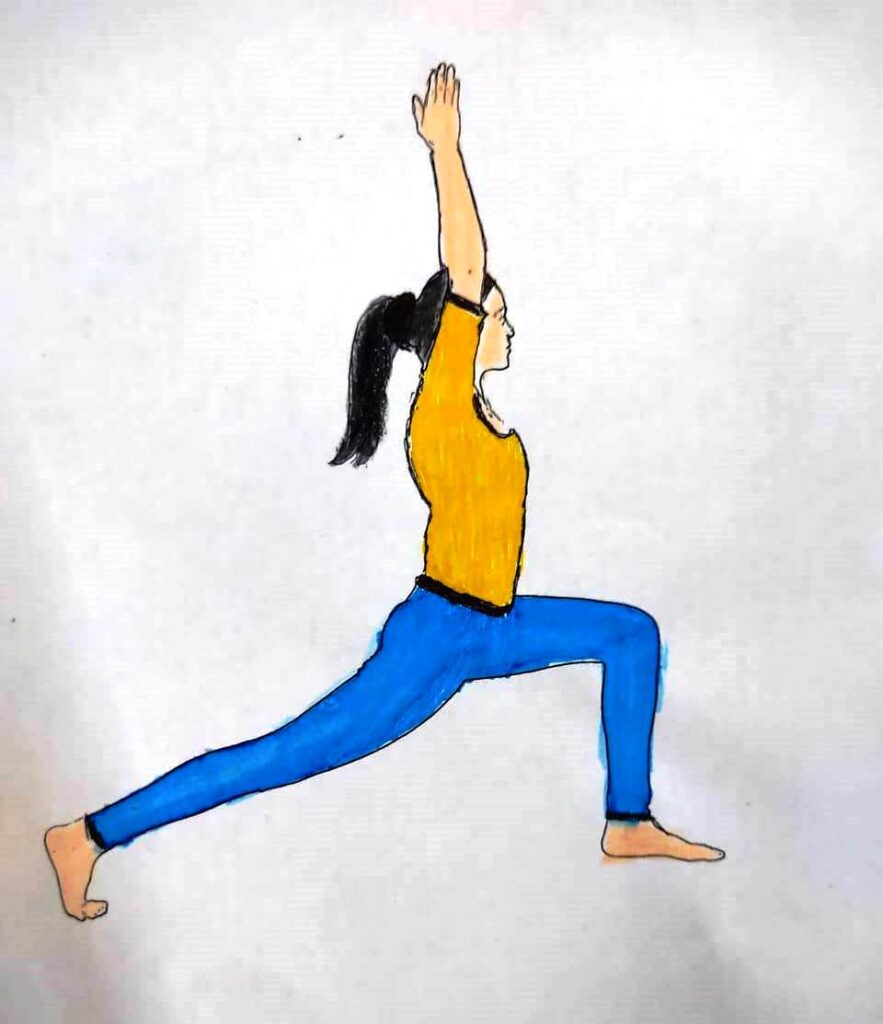
| Yoga | Vrikshasana (Tree Pose), Trikonasana (Triangle Pose), Virabhadrasana ( ) | 3–4 times per week |
| Balance training | Standing on one leg, Tai Chi | Daily, 5–10 minutes |
Important: If you already have osteoporosis or a history of fractures, avoid high-impact exercises and deep forward bends. Focus on gentle weight-bearing activities and consult a physiotherapist for a safe routine.
Ayurvedic Herbs and Yoga for Bone Health
Traditional Indian medicine offers several herbs and practices that may support bone health. While research is still developing, some have promising evidence.
Ayurvedic Herbs with Evidence
- Cissus quadrangularis (Hadjod): This is one of the most researched Ayurvedic herbs for bone health. A 2025 systematic review found that Cissus quadrangularis supplementation showed better fracture healing, reduced pain, and improved bone density. It is traditionally used for bone fractures and joint health.
- Ashwagandha (Withania somnifera): An adaptogenic herb that may support bone health indirectly by reducing stress and inflammation. Some studies suggest it may support bone density.
- Shallaki (Boswellia serrata): Known for its anti-inflammatory properties, it may support joint health and reduce inflammation that contributes to bone loss.
- Guggulu (Commiphora wightii): Traditionally used in Ayurveda for joint and bone health. It has anti-inflammatory properties.
Note: These herbs should only be taken under the guidance of a qualified Ayurvedic practitioner. They are not a substitute for calcium, vitamin D, or prescribed medical treatment.
Yoga Poses for Bone Strength
Yoga is particularly useful because it combines weight-bearing, balance, and flexibility work. Research has shown that regular yoga practice can improve bone density in the spine and hips. The following poses are safe and effective for most people:
- Vrikshasana (Tree Pose): Improves balance and strengthens the legs and hips.
- Trikonasana (Triangle Pose): Stretches and strengthens the spine, hips, and legs.
- Virabhadrasana (Warrior Pose): Strengthens the legs, hips, and core.
- Setu Bandhasana (Bridge Pose): Strengthens the back and hips.
- Bhujangasana (Cobra Pose): Strengthens the spine and back muscles.
Precaution: Avoid deep forward bends, twists, and inversions if you have osteoporosis or a history of vertebral fractures. Consult a yoga therapist before starting a new practice.
Lifestyle Factors That Support Strong Bones
- Stop smoking: Smoking reduces blood supply to bones and lowers estrogen levels, accelerating bone loss.
- Limit alcohol: Excessive alcohol interferes with calcium absorption and bone formation. Keep intake moderate.
- Maintain a healthy weight: Being underweight increases fracture risk. But being overweight also puts stress on bones and joints. A balanced weight is best.
- Prevent falls: Most fractures happen from falls. Remove tripping hazards at home, use good lighting, and practise balance exercises.
- Get enough sleep: Chronic sleep deprivation can affect bone metabolism. Aim for 7–8 hours per night.
When to See a Doctor About Bone Health
You should consult a doctor if you have any of the following:
- A fracture from a minor fall or injury (fragility fracture)
- Height loss of more than 1.5 inches
- Sudden, severe back pain
- A family history of osteoporosis or hip fractures
- Long-term use of corticosteroids or other bone-affecting medications
- Early menopause (before age 45)
- A diagnosed condition that affects bone health (e.g., hyperthyroidism, rheumatoid arthritis, malabsorption disorders)
Your doctor can order a DEXA scan — a quick, painless test that measures bone density. It is the standard test for diagnosing osteoporosis and assessing fracture risk.
If you already have osteoporosis, your doctor may prescribe medications such as bisphosphonates, hormone therapy, or other bone-building drugs. These are important — do not stop or change them without medical advice.
Frequently Asked Questions About Bone Health
Q: Can I reverse bone loss naturally?
A: You cannot fully reverse significant bone loss, but you can slow it down and even build new bone with the right diet, exercise, and medical treatment. The earlier you start, the better.
Q: Is milk the best source of calcium?
A: Milk is a good source, but it’s not the only one. Ragi, sesame seeds, leafy greens, and fortified plant milks are excellent alternatives — especially for people who are lactose intolerant.
Q: Do calcium supplements work?
A: They can help if you’re not getting enough from food, but they are not a substitute for a healthy diet. Too much calcium from supplements may increase the risk of kidney stones. Always consult a doctor before starting supplements.
Q: Which yoga poses are best for bone strength?
A: Weight-bearing and balancing poses like Vrikshasana, Trikonasana, and Virabhadrasana are excellent. Avoid deep forward bends and twists if you have osteoporosis.
Q: How long does it take to see improvement in bone density?
A: Bone remodelling is a slow process. With consistent diet and exercise changes, you may see measurable improvements in bone density within 6–12 months. DEXA scans are typically repeated every 1–2 years.
Q: At what age should I start worrying about bone health?
A: It’s never too early. Peak bone mass is reached by age 30, so building strong bones in your 20s and 30s is ideal. But even if you’re older, it’s never too late to make a difference.





amazing info